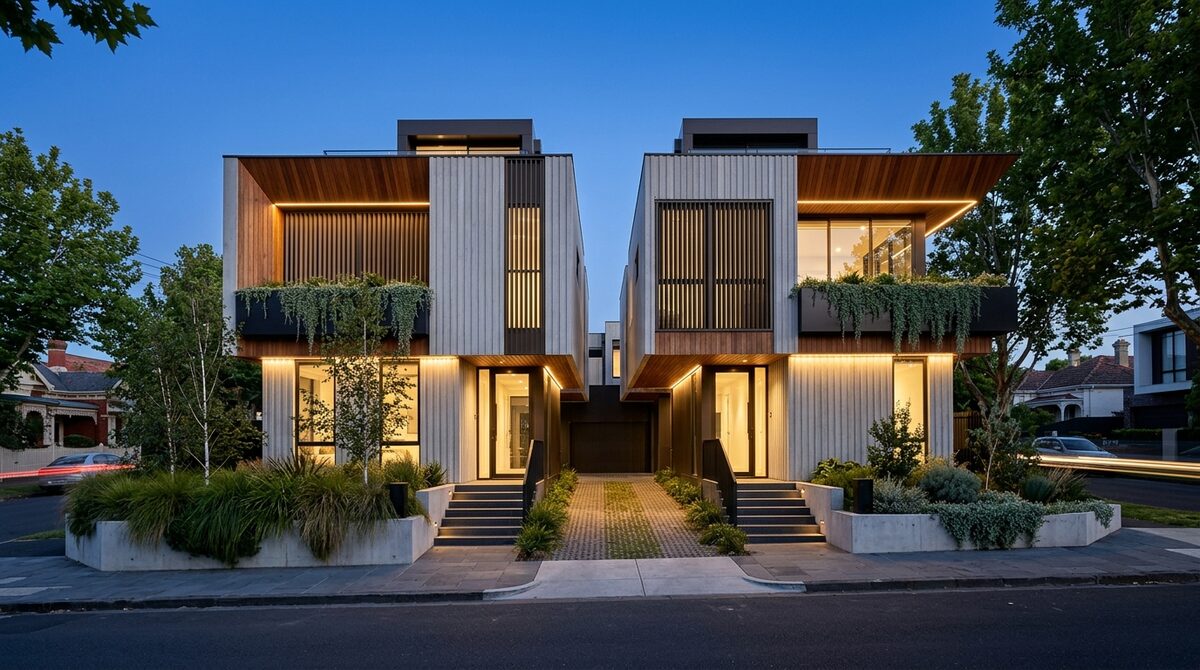
Townhouses and multi-unit projects bring more interfaces into the same site. Design, approvals, services, access, neighbours, shared elements and staging all influence the build. A decision for one dwelling can affect another. EJN Build approaches this work with a documented scope and programme so the dependencies are visible before they turn into site delays.
Start with the approved pathway
Before discussing a construction date, we need to understand the site and the status of the design. Is the land held or still being assessed? Are drawings at concept, planning or construction stage? Which reports and permit conditions are available? The answers affect what can be priced now and what remains provisional. We distinguish a feasibility conversation from a tender-ready set of documents.
We can work with your design team and, where appropriate, contribute design and build input earlier. Buildability, material choices, sequencing and site logistics deserve attention while plans can still be adjusted. A scheme that is clear on paper but difficult to stage on the lot is likely to create unnecessary pressure later.
Define shared and individual scope
The tender needs to identify what is common to the site and what belongs to each dwelling. Services, driveways, drainage, external works, boundaries, finishes and handover requirements should be clear. Allowances need to state their assumptions. That detail makes it easier to compare prices and to understand the effect of a requested change.
The programme is a tool for coordinating dependencies. Approvals, long-lead items, trade access, inspections and shared works need a sequence that can be reviewed. We issue a programme before contract and update it when a decision or constraint changes. The objective is to explain the critical path, not to present a date without its assumptions.
Keep stage decisions visible
Our construction process records critical checks in digital inspection and test plans, with photographs and sign-off against the relevant stage. Hold points create a pause before work is concealed. That matters when the same detail repeats across several dwellings: a decision made once needs to be clear to the whole team and traceable later.
Variations should describe the scope change, price and timing effect in writing before the affected work begins. On a multi-unit project, the impact may extend beyond the dwelling where the request arose, so the relationship to shared works and programme needs to be explicit.
Bring us the current documents
Tell us the suburb, lot and proposed dwelling count, then share the drawing and approval status when we speak. We can identify what is ready for assessment and what must be resolved before a reliable tender. Discuss your multi-unit project.
Related services: New homes · Knockdown rebuilds. Return home.